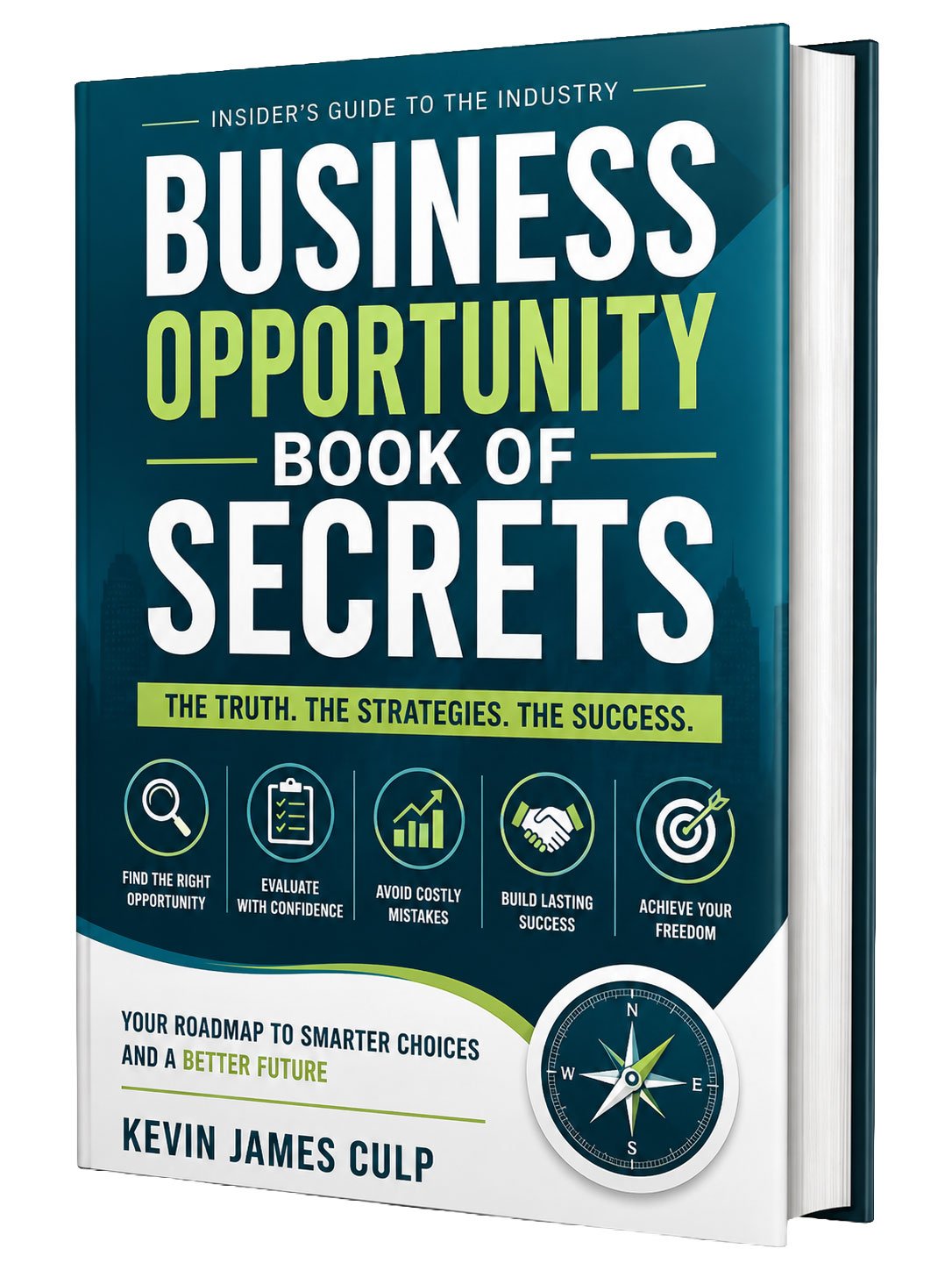

When evaluating a business opportunity, how do you avoid the pitfalls to reach profit without breaking the bank, you ask? A thorough and cautious approach is essential to avoid potential pitfalls and scams. We’ve outlined some of the key top strategies to ensure you’re making a smart and legitimate investment.
By Kevin James Culp
Photo: Victor @ Unsplash
When considering the purchase of a business opportunity, it’s crucial to recognize that what you see upfront is often just the tip of the berg. This is the customer-facing information that they ‘want’ you to see. The hook is the ad you saw on a portal, Google Ad Words, or even in a commercial that advertises many options, and the sales pitch is the next bit, but it leaves you wondering–is this really for me & what don’t I know that I should?
Many people rely on the Better Business Bureau (BBB) for guidance, but few realize how easily companies can manipulate their scores. A business that seems solid and decades old might still be misleading. For instance, they might show you a polished demo, but you need to ask: “Will my site, product, or system look like this on day one out of the box, or will I need to hire a web designer to make it functional and appealing to customers?” Negative reviews are often buried or omitted entirely in some ratings. While the BBB can be a useful resource, it has limitations, and a deeper investigation is essential to uncover both positive and negative insights online. Be cautious of “articles” that appear to critique one opportunity but are veiled pitches for a competing product or service, often exaggerating flaws. Stay aware of these tactics and recognize that if both opportunities have significant issues, it’s often best to walk away altogether. The fact that a company is registered with Dunn and Bradstreet doesn’t mean much. I’d give it 5% weight in a decision.
So, slow down a bit; budding entrepreneurs get excited when they go to buy. It is human nature. They often still haven’t asked, though–can I do this with my skill set, do I have enough computer knowledge or even own the technology. Sidetrack – if they say that it can drill down to a phone, make sure before buying that you have the right equipment.
Not all phones are alike, and not all platforms can run all apps, or in some cases, they can have a varied featured UI or time required to make a profit. Do they provide real training and support, or do they claim that they do? You have to dig deeper than the sales pitch.
The visible aspects—revenue, brand recognition, and surface-level operations—represent only a fraction of the whole picture. Beneath the surface lies a complex network of critical elements that can make or break your investment. These hidden factors might include unforeseen costs. Missing these hidden layers could lead to unforeseen challenges that erode profitability and sustainability. Conducting thorough due diligence to uncover what lies below the surface is essential to making an informed and successful decision.
1. Beware of High-Pressure Sales Tactics
Legitimate opportunities respect your time to think and evaluate. Be cautious of these generic sales tactics that are simple to spot, and we call these used cars sales tactics usually taught to people who learned to sell rather than having the gift of sales:
• Rushed Deadlines / FOMO: Claims like “This offer is only available today!” signal a red flag. Emotional Manipulation: So-called ‘limited spots’ or only one left, and you have to rush to buy to get it. The intention is to create a rush of adrenal –> FOMO: Using fear of missing out to push you into a decision.
• No Time for Research: Preventing you from fully investigating the opportunity. These are usually Flash Sales that will get your attention. Big discounts are usually seen here.
• Emotional Taps: Giving you a gift for attending, say, a Zoom or group call for a $50 gas card from Shell – we can’t say run as some have true value but not the gift cards. Should you decide to attend to get that card only, please think about the budgets of the owners and try to be as nice to them as they can be to you.
The ones who give away a course, guide, or card usually will sell your data, and some will balk and never give you the supposed gift for one of a million invented reasons. Spend your time super-wisely and only focus on one sector or type of company when shopping for an opportunity so you don’t get bombarded with incoming calls, emails, text messages, and even mailers.
• Lack of Documentation: Refusal to provide contracts or detailed written information until you give them your credit card or any personal information for that matter. This is a giant waving red flag. Especially if they say they need the information to show you everything in black & white. Think about it: John or Jane Doe and a fake credit card to fill in all the blanks to show you exactly what you’re buying? If they say no because they can’t use so it takes them time – run for the hills.
• Lack of References: Refusal to provide live references, and they’ll give you excuses such as Our clients are doing so well they don’t want to be bothered. Or, we’re not allowed to give out private information. By law, if the business opportunity is selling a business that costs over $500, they are required to provide 10 active references that are currently using the product or service. This is a ginormous waving red flag.
• Persistent Follow-Ups: Overly frequent calls or emails pressuring a quick decision. If you’re called more than three times in 14 days and you are slowly shopping, my advice is to let it slip by, and when you are done with your due diligence, you can revisit the opportunity. No opportunity sells out unless it has an exclusivity of some type, and even then, they will find ways to sell you something.
2. Scrutinize Promises of Quick and Guaranteed Profits
Promises of easy wealth should immediately raise your skepticism. Look for:
• “Too Good to Be True” Claims: Unrealistic guarantees of high income.
• Vague Business Models: Lack of clarity on how profits are made.
• Unverified Testimonials: Glowing stories without concrete proof.
• Evasive Answers: Reluctance to discuss risks or answer tough questions.
• Recruitment Focus: If success depends primarily on recruiting others, it could indicate a pyramid scheme.
3. Verify Active and Successful References
Before you even take this process, know that most business opportunities being sold that cost over $500 are required in most cases to be registered in each state that they sell in. If they aren’t a registered business opportunity in each state they do business in, ask why Genuine references provide insight into the opportunity’s legitimacy.
According to the FTC Business Opportunity Rule, companies selling a business opportunity valued at over $500 must provide potential buyers with a one-page disclosure document that includes detailed information about the seller, the business opportunity itself, and any earnings claims made, which must be substantiated with supporting evidence if included. This document must be given to prospective buyers at least seven days before they sign a contract or pay any money.
Did you get a FTC form when you were pitched? If you weren’t, that is subjective to know if the company is legit or not. It isn’t 100% required as a blanket, so some types of opportunities, like licensee opportunities, do not need to provide this disclosure documentation.
16 CFR Part 437: Rule Summary The Business Opportunity Rule requires business opportunity sellers to give prospective buyers specific information to help them evaluate a business opportunity, thus ensuring that the prospective purchasers have the information they need to assess the risks of buying a work-at-home program or any other business opportunity.
Confirm The Following Before Spending A Dime:
• Current Participation: Ensure references are actively involved in the business. You must ask the reference if they’re being remediated in any way, shape, or form for giving the reference. The next key question is to ask if they’re a former employee or connected to the company itself, and the last big one is whether they are active &. If so, how much profit they are making. I would also ask for any tips should what you hear. Try to ask them to keep in touch and if they would mind if you connected them should you move forward with tips, tricks, you find you li and advice.
• Profitability: Ask how long it took them to generate profits. You need to be very careful and make sure to ask the right questions. You might ask some basic questions like, “How long will it take me to get my money back”? In the business opportunity industry, it isn’t legal, as far as we know, to give specifics about potential earnings. You can give general ranges in some cases, but what does that tell you? Dig deeper. Yes, sure, “you can make a million” or “unlimited potential,” or one of our favs is “Why wouldn’t you want to get rich?” This question makes your emotions kick in, and this is done intentionally by professional salespeople but is most used by guys making 100 calls a day, you are a number or, worse, a target, and you need to push back and employ critical thinking to analysis the data that you have at your pace.
• Independent Verification: Contact references directly without company mediation.
• Diverse Experiences: Look for a range of success stories, not just scripted endorsements.
• Online Reviews: Explore unbiased reviews or discussions about the business.
• Testimonials: Explore unbiased reviews or discussions about the business.
4. Conduct Thorough Research
Understanding the company’s background helps identify red flags. Investigate:
• Business History: How long has the company been in operation? If they’re brand new, are registered to do business in the state you plan to operate in and feel comfortable with the system, training, ongoing support, and possible hidden financial pitfalls, then it might be wise to listen to what they have to say. The FTC documents are still required at this stage, btw. That didn’t go away, nor did your rights to relevant information.
• Consumer Complaints: Check platforms like the Better Business Bureau (BBB) and the FTC. We detailed this above and wanted to make sure it sunk in that BBB is sometimes great, but the FTC document is usually required.
• Licenses and Certifications: Verify the business is registered and licensed as required.
• Online Presence: A lack of a professional website or social media presence is concerning. Look for social media that might or might nopt be properly set up that has seen vew few or any up-to-date posts. If you see dated psost you are looking at either a demo site or they want you to see. Ask to se more with vried theme styles.
• Community Feedback: Search forums or social platforms for authentic feedback.
5. Ensure Transparent Contracts
A clear, detailed contract is critical for understanding the terms. Ensure:
• Comprehensive Details: Financial terms, obligations, and rights should be explicit.
• Refund Policy: Know your options if you decide to withdraw.
• Avoid Verbal Promises: Insist on written agreements for everything you do document every single text and email you send and receive, and do it by the date from day one.
• Professional Review: Have a lawyer evaluate the contract before signing. If you plan to spend over $8,000, I would seek advice from a friend, family member, and possible counsel. You can often find the answers you seek free or for very little cost at places like LegalZoom or your local SBA office, which has many free sources,
• Hidden Costs: Look for ambiguous clauses or unexpected fees.
6. Assess the Product or Service Quality
A solid business revolves around a valuable product or service. Evaluate:
• Market Demand: Ensure there’s a proven need for what’s being sold.
• Sales Focus: Avoid businesses overly reliant on recruitment over actual sales.
• Hands-On Testing: Request a product sample or service demonstration.
• Sustainability: Is the product likely to remain relevant and competitive?
• Customer Feedback: Seek real reviews or testimonials about the product’s value.
7. Be Wary of Upfront Fees
Large upfront payments should prompt scrutiny. Ask:
• What’s Covered?: Understand what the fee includes and why it’s required.
• Cost Comparison: Research industry standards for similar opportunities.
• Payment Pressure: Avoid companies pushing immediate payments.
• Breakdown Transparency: Demand a clear explanation of how your money will be used.
• Refund Options: Verify if the fee is refundable and under what conditions. Make sure you know the exact law of your state that will outline that you have anywhere from the time of signing in some cases to three days to back out to up to a month in some rare cases.
8. Consult with Professionals
Expert advice can save you from costly mistakes. Take these steps:
• Financial Advisor: Evaluate the business model’s feasibility.
• Legal Counsel: Review contracts and identify potential risks. Remember we mentioned above two potentially free ways to get answers to your most pressing questions.
• Industry Mentors: Seek guidance from experienced business owners.
• Workshops or Courses: Learn how to spot scams and evaluate business opportunities.
• Consumer Advocacy: Use resources from government or nonprofit organizations for tips and warnings.
By following these comprehensive strategies, you can avoid scams, make informed decisions, and set yourself up for success in your new business venture.
FUTURE POSTS: Watch out for future posts when we’ll detail what the red and green flags are, how to spot them, and why to buy from these companies that are selling the real deal. Make sure to sign up for our reports, updates, blog posts, podcasts, and more to stay ahead of the sellers and reap the profits you seek without getting fleeced in the process.
Thanks for Reading, and Carpe Diem, My Friends!
Related Additional Reading Suggestion: The Brave browser basics
Sources and further reading
- Selling a Work-at-Home or Other Business Opportunity? Revised Rule May Apply to You (Federal Trade Commission): The disclosure document and earnings-claim requirements for sellers.
- Business Opportunity Rule (Federal Trade Commission): What sellers must disclose to buyers of a business opportunity.
- Job Scams (Federal Trade Commission): How fraudulent job and work offers are advertised and how to spot them.
SmartBizOpps provides information only and does not guarantee income, leads, or results.