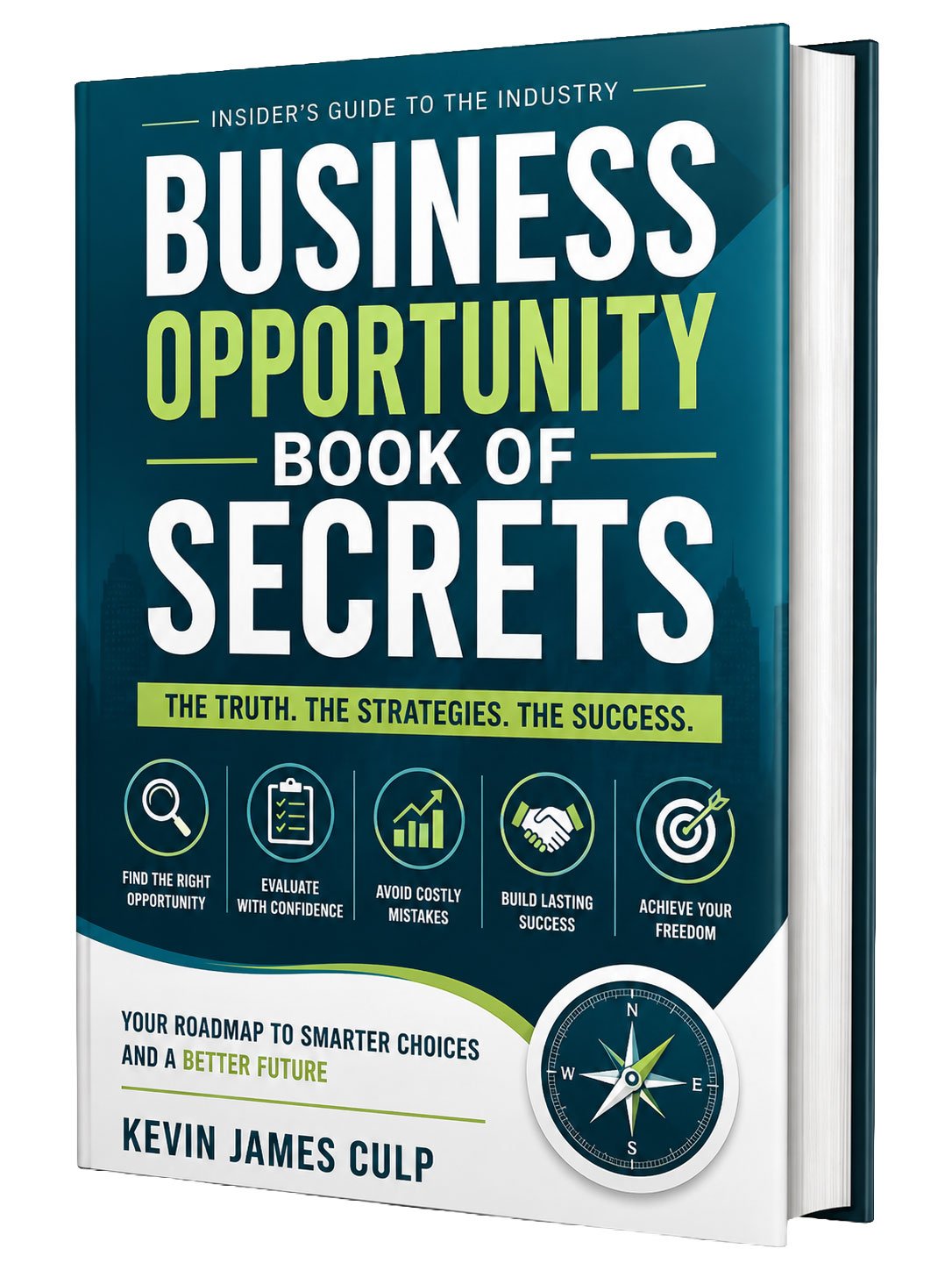

Starting a business can be one of the most rewarding ventures you undertake. With the right business opportunity, you can achieve financial independence and personal fulfillment. If you’re looking to invest in a business opportunity or home-based business under $10,000, this guide will help you navigate the process with practical tips and helpful resources.
by Stacy Horowitz Photo by Andrea Piacquadio on Pexels
Assess Your Skills and Interests
Before diving into a business opportunity, it’s crucial to understand your strengths, weaknesses, and passions. Ask yourself:
• What skills do I possess that are marketable?
• What industries am I interested in?
• How much time can I realistically dedicate to this business?
Research Business Opportunities
There are various platforms where you can find affordable business opportunities:
• SmartBizOpps.com: A comprehensive marketplace for buying and selling businesses.
• Flippa: Specializes in online businesses, including websites, eCommerce stores, and apps.
• MicroAcquire: Focuses on startup acquisitions, often featuring businesses within the $10,000 range. Visit MicroAcquire
3. Evaluate the Business Opportunity
When you find a potential business, evaluate its viability:
• Financial Health: Review financial statements, profit margins, and expenses.
• Market Demand: Ensure there’s a demand for the product or service.
• Competition: Analyze competitors and understand your unique selling proposition (USP).
• Legal and Regulatory Considerations: Ensure the business complies with all local, state, and federal regulations.
4. Consider Low-Cost Business Ideas
Here are some low-cost business ideas under $10,000:
• Dropshipping: Start an online store without holding inventory. Use platforms like Shopify and Oberlo.
• Freelancing: Offer services like writing, graphic design, or consulting on websites like Upwork and Fiverr.
• Affiliate Marketing: Promote other companies’ products and earn a commission for each sale made through your referral links.
• Handmade Crafts: Sell handmade items on Etsy or at local markets.
• Online Tutoring: Provide tutoring services in subjects you’re knowledgeable about.
Develop a Business Plan
A solid business plan is essential for success. Your business plan should include:
• Executive Summary: An overview of your business.
• Market Analysis: Research on your industry, market, and competitors.
• Marketing Strategy: How you plan to attract and retain customers.
• Financial Plan: Budget, financial projections, and funding requirements.
Secure Funding
Even though your business costs are low, you may still need some initial funding. Consider:
• Personal Savings: Use your own money to avoid debt.
• Crowdfunding: Platforms like Kickstarter or Indiegogo can help you raise money.
• Small Business Grants: Look for grants specifically for small businesses.
• Microloans: Small, short-term loans available from organizations like Kiva.
7. Set Up Your Business
Once you’ve chosen a business and secured funding, it’s time to set up:
• Register Your Business: Choose a business structure (sole proprietorship, LLC, etc.) and register your business name.
• Obtain Necessary Permits and Licenses: Depending on your business type, you may need specific permits or licenses.
• Set Up a Business Bank Account: Keep your personal and business finances separate.
• Create a Professional Online Presence: Develop a website and set up social media profiles.
8. Market Your Business
Marketing is key to attracting customers. Effective strategies include:
• Social Media Marketing: Use platforms like Facebook, Instagram, and Twitter to reach your audience.
• Content Marketing: Start a blog or create videos to provide valuable information and attract customers.
• Email Marketing: Build an email list and send regular updates and promotions.
• Networking: Attend local business events and join industry associations.
9. Track Your Progress and Adapt
Regularly review your business performance:
• Financial Metrics: Monitor your income, expenses, and profit margins.
• Customer Feedback: Listen to your customers and make improvements based on their feedback.
• Market Trends: Stay updated on industry trends and adapt your strategies accordingly.
Helpful Resources
• U.S. Small Business Administration (SBA): Offers resources and guidance for small business owners. Visit SBA
• Score: Provides free business mentoring and educational workshops. Visit Score
• Entrepreneur: Offers articles, guides, and resources for entrepreneurs. Visit Entrepreneur
Conclusion
Starting a business with a budget under $10,000 is entirely possible with careful planning and the right resources. By following the steps outlined in this guide and leveraging the suggested tools and platforms, you can embark on a successful entrepreneurial journey. Good luck!
Thanks for Reading and Carpe Diem My Friends!
Related Additional Reading Suggestion: Endless Energy A Blueprint for Productivity
Sources and further reading
- Business Opportunity Rule (Federal Trade Commission): What sellers must disclose to buyers of a business opportunity.
- Job Scams (Federal Trade Commission): How fraudulent job and work offers are advertised and how to spot them.
- Selling a Work-at-Home or Other Business Opportunity? Revised Rule May Apply to You (Federal Trade Commission): The disclosure document and earnings-claim requirements for sellers.
SmartBizOpps provides information only and does not guarantee income, leads, or results.
Photo by Jan Baborák on Unsplash
Helpful outside resources: U.S. Courts.
Keep reading
If this topic is useful to you, these related guides on SmartBizOpps are a good next step.