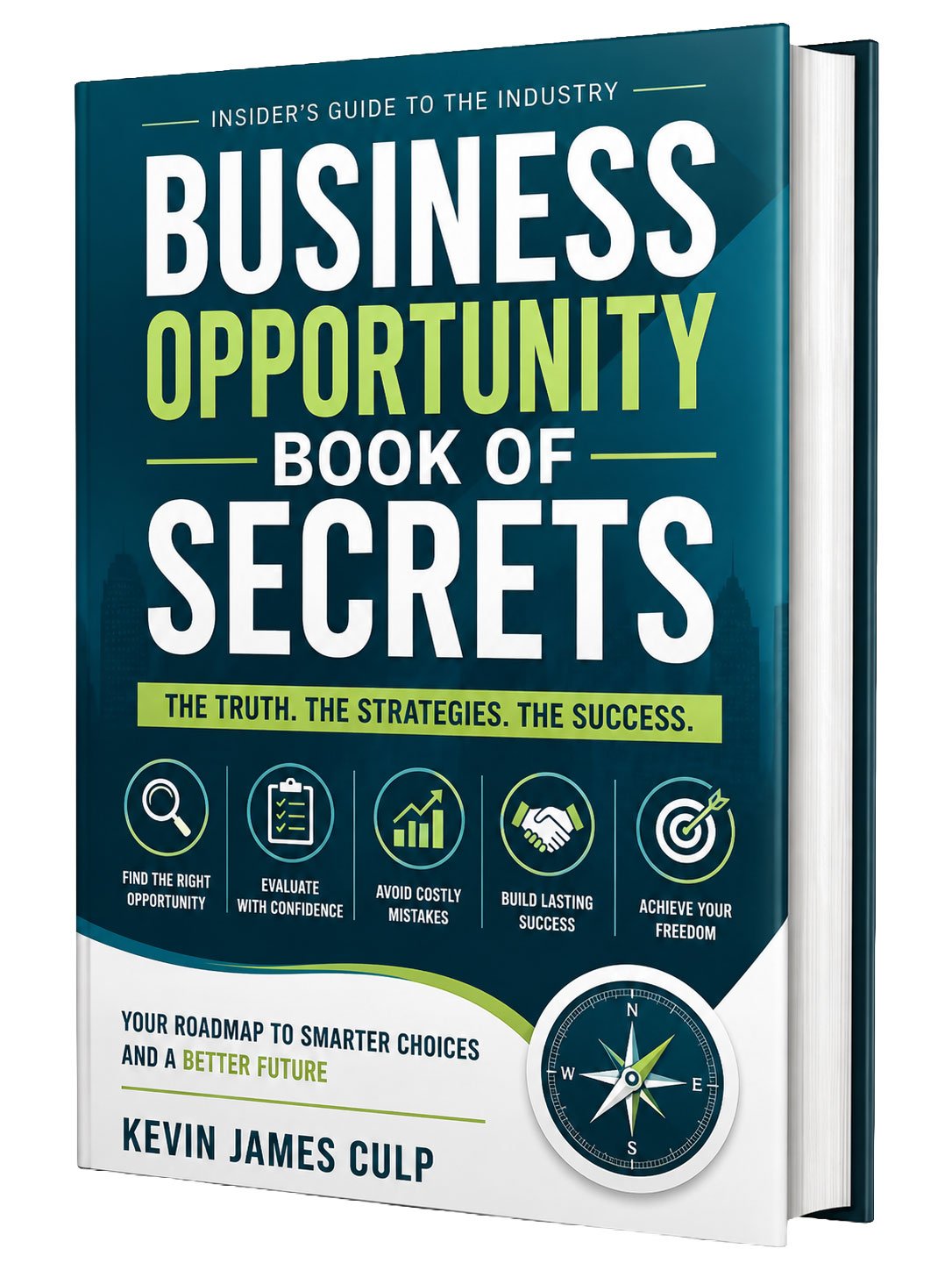

E-commerce and dropshipping got a reputation problem a few years back, mostly from get-rich-quick courses promising results that never materialized for most buyers. I still think there’s a real business opportunity underneath all that noise, it’s just narrower and harder-won than the ads suggest.
Where the Dropshipping Business Opportunity Actually Stands Now
The easy version of dropshipping, slap a generic product on a storefront and run ads, is largely saturated and unprofitable at this point. What’s still working is a narrower, more deliberate version: a focused niche, a product you actually understand, and a brand that looks and feels like it’ll still exist in a year. Customers and ad platforms alike have gotten better at spotting throwaway stores, which has raised the bar for anyone trying to break in.
What Actually Works in E-Commerce Business Opportunities in 2027
- A specific niche with genuine product knowledge, not a generic catch-all store
- Faster shipping options, even at higher cost, since customer patience for slow dropship delivery has dropped
- Real branding, product photography, consistent voice, a returns policy that builds trust
- Diversified traffic rather than total dependence on one ad platform
The Margin Conversation Nobody Wants to Have
Dropshipping margins have compressed as ad costs rose and competition increased. A business opportunity in this space needs to pencil out honestly: product cost, shipping, payment processing fees, ad spend, and returns all eat into revenue before you see a dollar of profit. I’d encourage anyone evaluating this model to build a real spreadsheet with conservative numbers before investing in any course, software, or supplier partnership that promises to make it work.
Evaluating a Supplier or Platform Partnership
If a business opportunity in this space includes a specific supplier relationship, ask about actual shipping times from their warehouses to your target customers, return and defect rates, and whether you’ll have exclusivity on any products or you’re competing against a hundred other stores selling the identical item. That last point in particular determines whether you’re building something defensible or racing to the bottom on price with strangers selling the exact same product.
Why Depending on One Ad Platform Is a Real Business Risk
A lot of e-commerce business opportunities are quietly built on the assumption that one specific ad platform will keep working the way it does today, indefinitely, at a predictable cost. That’s a fragile assumption. Ad platforms change algorithms, raise costs, and adjust policies on their own timeline, with no obligation to protect your business model in the process. I’ve watched stores that were profitable one quarter become unprofitable the next purely because the cost of acquiring a customer on their primary platform jumped, with nothing else about the business changing at all.
Diversifying traffic sources, some paid search, some organic content, some email marketing to past customers, maybe an influencer or affiliate channel, reduces how exposed you are to any single platform’s decisions. It’s more work upfront than mastering one channel deeply, but it’s a meaningful hedge against a risk that’s fully outside your control otherwise.
Why Your Email List Matters More Than Your Follower Count
Social media followers belong to the platform, not to you, a policy change or account issue can cut off that audience overnight, through no fault of your own. An email list you’ve built and own directly doesn’t have that vulnerability. Every e-commerce business opportunity should include a clear plan for building an owned list from day one, not as an afterthought once the store is already running. Even a simple welcome discount in exchange for an email signup, consistently applied, builds a genuine owned asset that compounds over time in a way rented platform attention never fully does.
Once you have that list, treat it as a relationship, not just a sales channel, useful content and genuine value between pitches keeps people opening your emails instead of unsubscribing the first time they feel like they’re only hearing from you when you want their money.
Why Your Returns Policy Is a Trust Signal, Not Just a Cost Center
New customers buying from an unfamiliar e-commerce business opportunity are taking a small leap of faith, and your returns policy is one of the clearest signals of whether that faith is well-placed. A generous, clearly stated returns policy reduces purchase hesitation and tends to pay for itself in higher conversion rates, even though it does genuinely cost something in returned or defective merchandise. A vague or stingy returns policy saves money on paper but often costs more in lost sales from hesitant first-time buyers who decide the risk isn’t worth it.
Customer Service at Scale Without Losing the Personal Touch
As an e-commerce business opportunity grows past the first few dozen orders a week, personally answering every customer email stops being sustainable, but customers still expect fast, genuinely helpful responses. A combination of templated responses for common questions and real human attention for anything unusual tends to work better than fully automated chatbots alone, which frustrate customers with complex or unusual issues. Set a realistic response-time standard for yourself early, same business day, for example, and protect it, because slow or inconsistent customer service is one of the fastest ways to generate the kind of negative reviews that are hard to recover from in a crowded category.
I’d also actively monitor reviews across every platform where your store appears, not just the one you check most often, and respond to negative reviews professionally and specifically rather than ignoring them. A thoughtful public response to a legitimate complaint often does more for your reputation with future customers than the negative review itself does damage.
Why Low-Inventory Models Still Carry Real Risk
Dropshipping is often pitched as low-risk precisely because you’re not holding inventory yourself, but that framing understates a different risk: you have far less control over product quality, shipping speed, and stock availability than a business that holds its own inventory. If a supplier runs out of stock, ships a defective product, or changes their pricing, you’re the one dealing with the customer fallout even though the root cause sits entirely outside your business. Vetting suppliers carefully, and having backup suppliers identified for your core products before you need them, reduces how exposed you are to a single partner’s problems becoming your problems.
Frequently Asked Questions
Is dropshipping still a viable business opportunity in 2027?
Yes, but the easy version is gone. A focused niche with real branding and reasonable shipping times has a much better chance than a generic, low-effort store.
What margins should I expect from a dropshipping business opportunity?
It varies widely by niche, but after product cost, ad spend, and processing fees, many sellers see thinner margins than they initially expect. Build your numbers conservatively.
Do I need to register a business to start an e-commerce business opportunity?
Requirements vary by state, but most sellers benefit from a basic business structure once sales become consistent, both for liability protection and tax clarity.
Should I rely on one ad platform or spread spend across several?
Diversify where possible. Depending entirely on one platform means its algorithm or cost changes can directly threaten your business with no warning and no recourse.
How important is an email list compared to social media followers?
Very important. You own your email list directly, while social platforms can change policies or algorithms that cut off access to your following without warning.
Does a generous returns policy actually hurt profitability?
Not usually, once you account for the increased conversion rate it typically produces. A stingy policy often costs more in lost sales from hesitant buyers than it saves on returns.
How do I vet a dropshipping supplier before committing to them?
Order a sample yourself, check actual shipping times to your region rather than advertised estimates, and ask about defect and return rates before building your store around that one supplier relationship.
How do I keep customer service quality high as order volume grows?
Combine templated responses for common questions with real human attention for anything unusual, and protect a consistent response-time standard rather than letting it slip as volume increases.
What’s the most overlooked risk in a dropshipping business opportunity?
Supplier dependency. A single supplier’s stock, quality, or pricing problem becomes your problem the moment a customer’s order is affected, which is why backup suppliers are worth identifying early.
Is e-commerce a good fit for someone with no prior retail experience?
Yes, with realistic expectations. Start small, learn the mechanics of fulfillment and customer service firsthand, and reinvest early profit into solving real problems you encounter rather than scaling blindly before the basics are solid.
Sources and further reading
- FTC: E-Commerce and Online Advertising Guidance: rules sellers must follow around online sales and advertising claims.
- U.S. Census Bureau: E-Commerce Statistics: official quarterly data on U.S. e-commerce sales trends.
- Investopedia: Dropshipping: a plain-language overview of how the dropshipping model works and its risks.
SmartBizOpps provides information only and does not guarantee income, leads, or results.